
LIGNUM
Meridian System — Outer Habitable Band
Lignum is a world of petrified forests on a planetary scale.Its surface is fractured into vast wooden plates—splintered, layered, and exposed. There is no visible atmosphere, no water, no sign of conventional life.And yet, patterns persist.Formations repeat. Structures align. Some regions suggest rupture. Others suggest construction.Initial scans classified Lignum as dead.That classification is now… under review.
Classification: Lignum-class terrestrial world
Primary composition: fossilized megaflora structures
Surface features: fractured lignum strata, resin basins, megaforest remnants
Exploration status: Active survey
REGION: AURELIA BASIN
A smooth, low-lying basin with a faint internal sheen.The material here appears less fractured, as though it once flowed or settled before hardening. Light occasionally catches beneath the surface, not reflecting—lingering.This region feels… preserved.
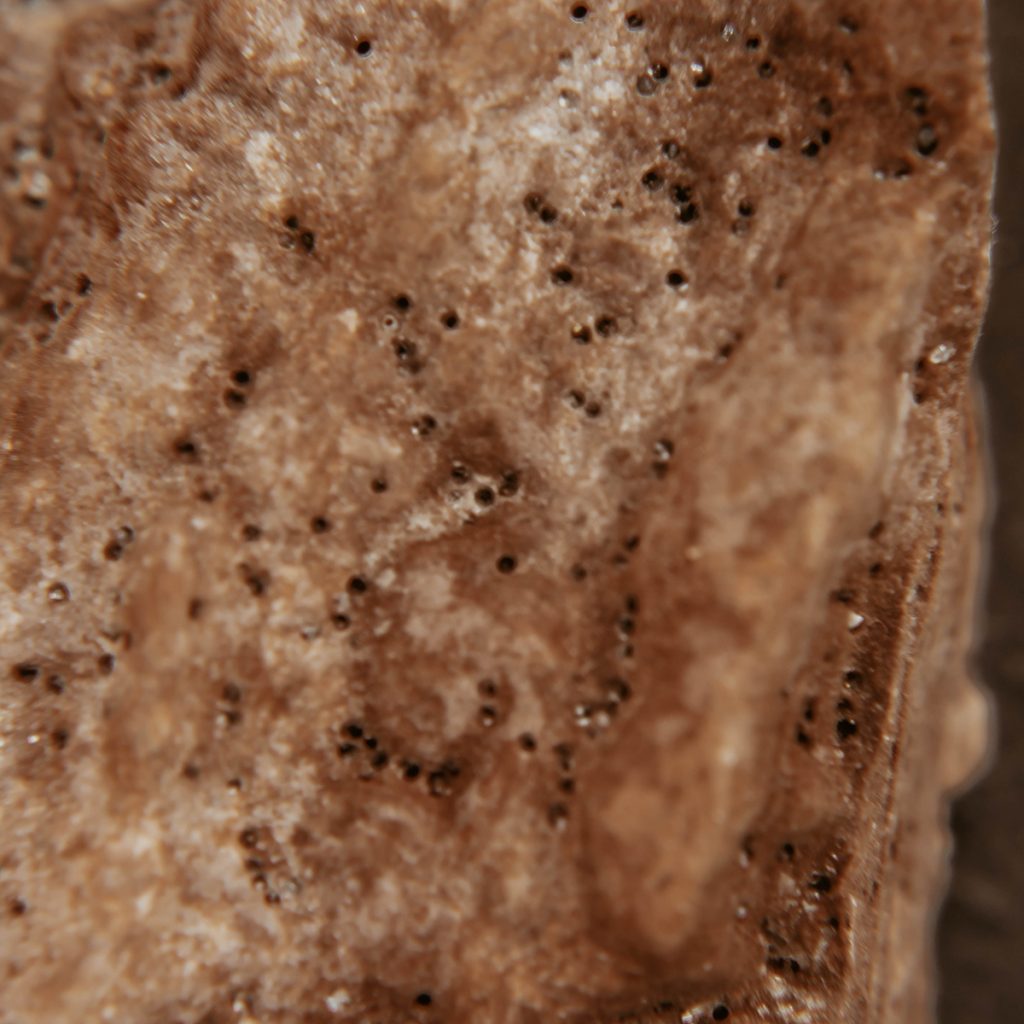
Elevated terrain composed of dense, resin-like matter, fused rather than fractured as though once softened and reformed under pressure. The surface is scattered with small, dark voids of unknown depth, giving the highlands a subtly unstable appearance. In places, the material seems to have flowed and then abruptly stilled, preserving a moment of arrested movement. There is no sign of erosion or loose debris—this landscape was not worn into shape, but remade.
THE AMBER HIGHLANDS
Elevated terrain with dense, resin-like formations.The structures here are thicker, more cohesive—less broken than elsewhere. Some areas appear almost fused, as though softened and reformed under pressure.Movement would be slow here.The ground does not look entirely stable.
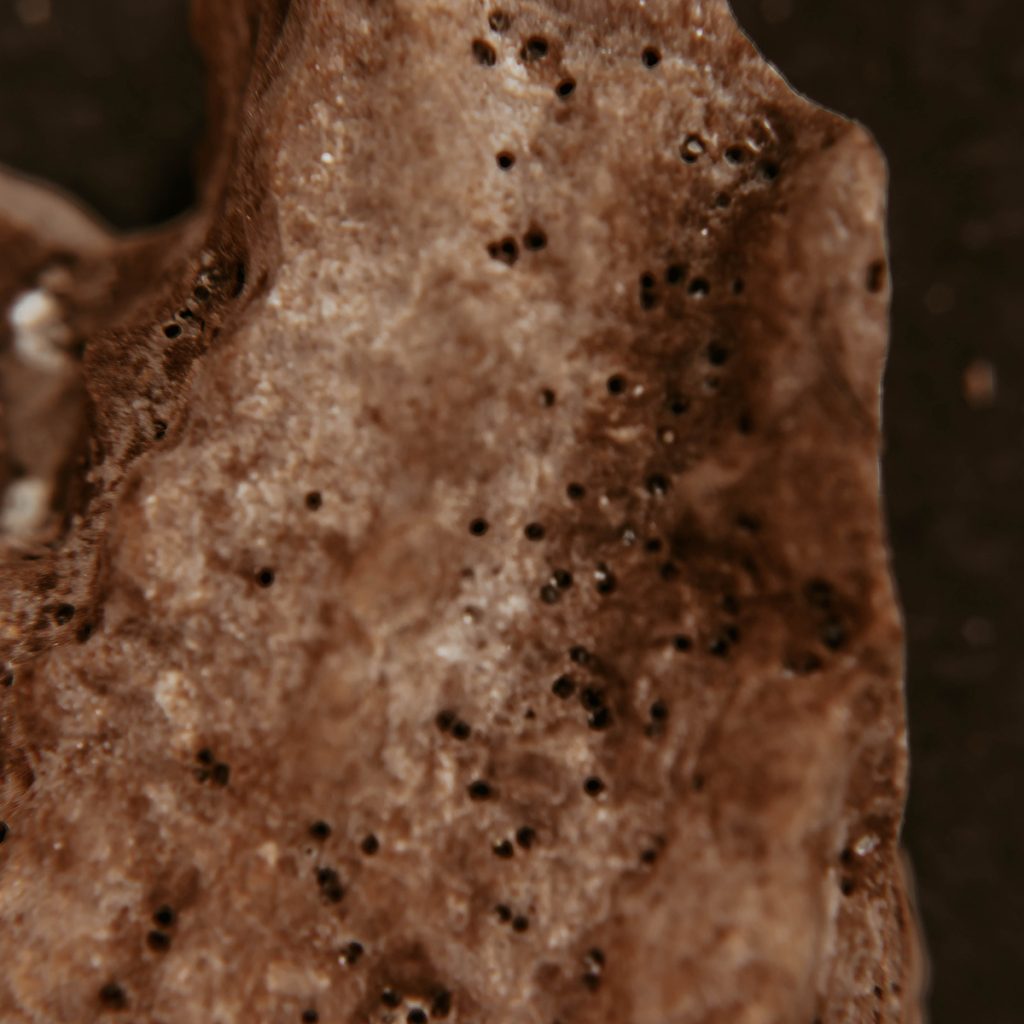
A pitted expanse marked by countless small depressions scattered across a dense, resin-like surface. Unlike the surrounding highlands, the terrain here appears repeatedly disturbed, as though subjected to ongoing impacts or internal release. The material remains cohesive, but the uniform perforation suggests a history of pressure escaping in bursts. The ground holds its shape, but not its silence.
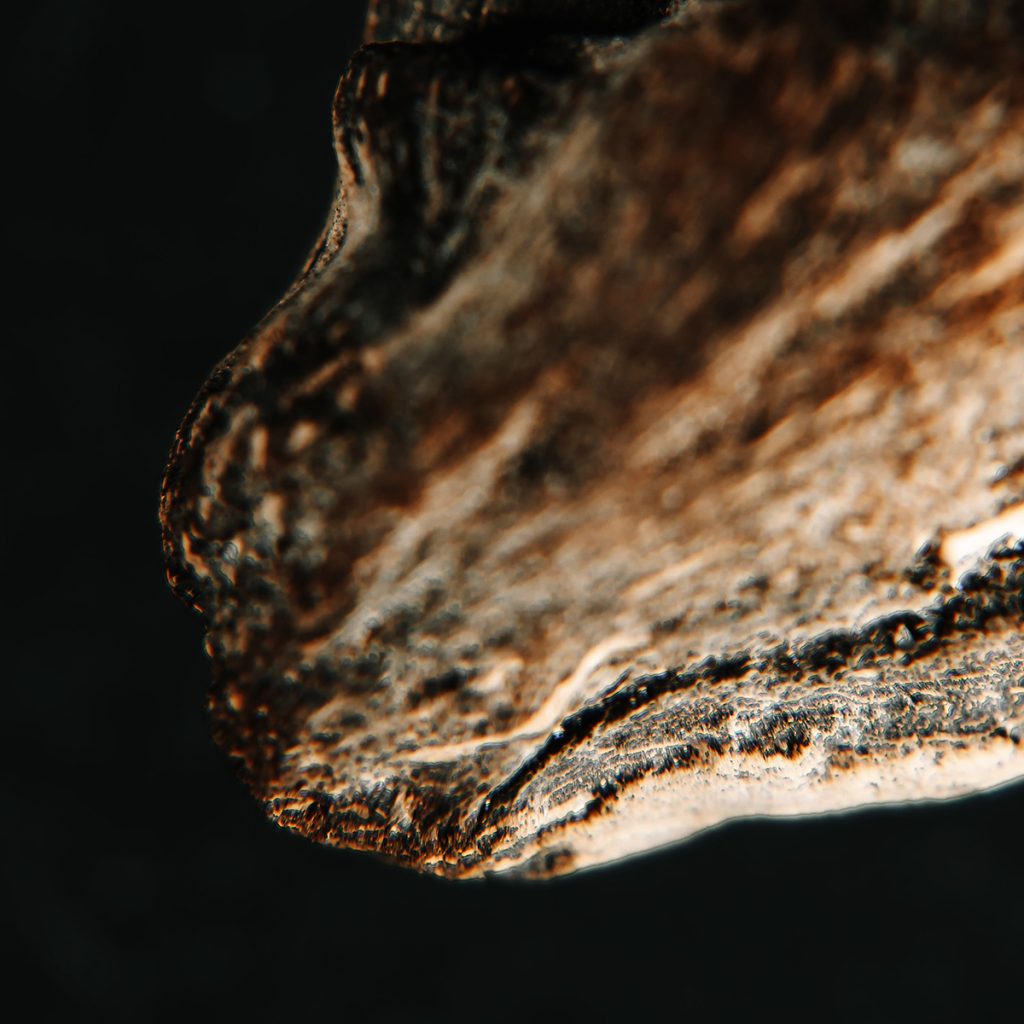
A hardened outcrop where layered material rises and curls at the edge, exposing striated bands beneath a darkened surface. The formation suggests prolonged compression followed by fracture, revealing internal structure that appears more ordered than the surrounding terrain. The boundary here is abrupt, as though the land has been sheared away, leaving a rigid, weathered margin that resists further change.
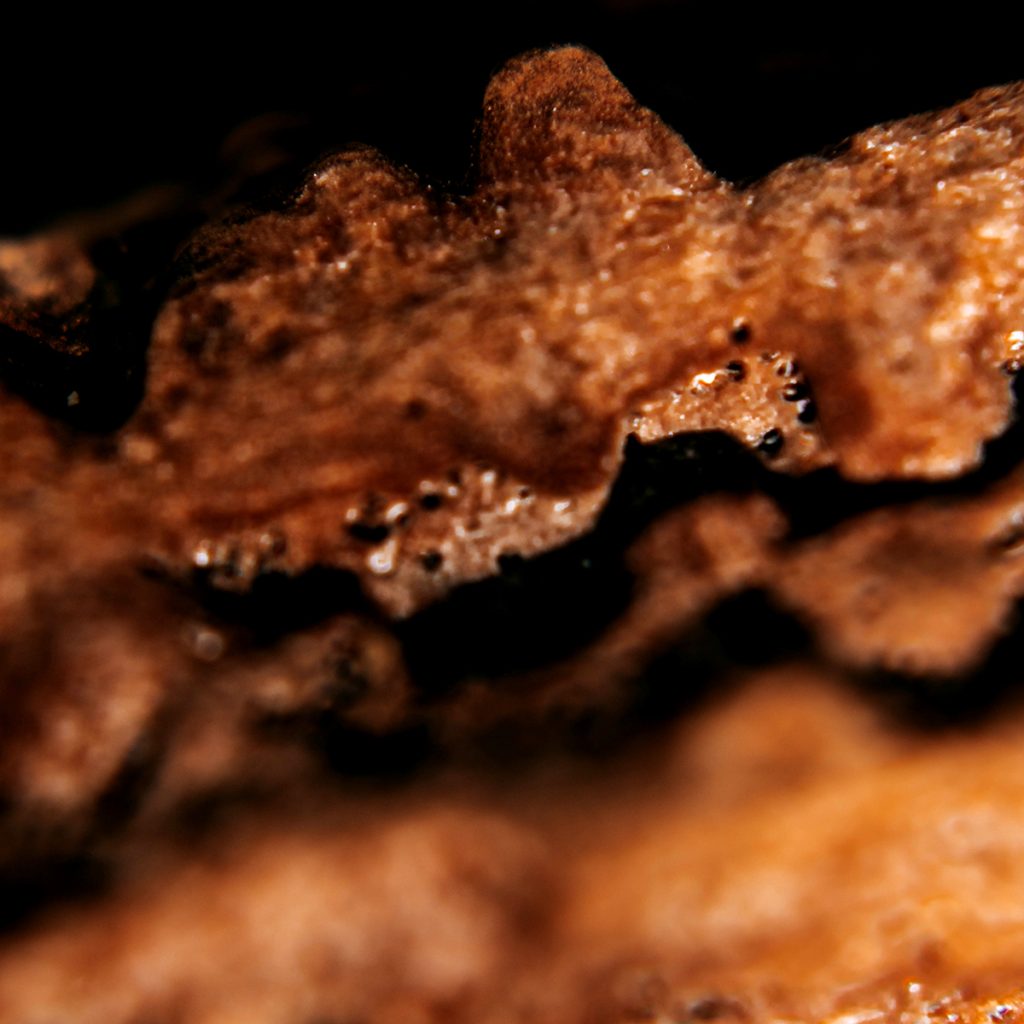
A jagged sequence of low ridges formed from thick, resinous material that appears to have risen and hardened in place. The surface is uneven and granular, with small voids concentrated along the lower edges, suggesting trapped gases or slow release during formation. The structures lack sharp fracture, instead rounding at the peaks as though shaped by heat rather than force. The range feels dormant, but not cold.
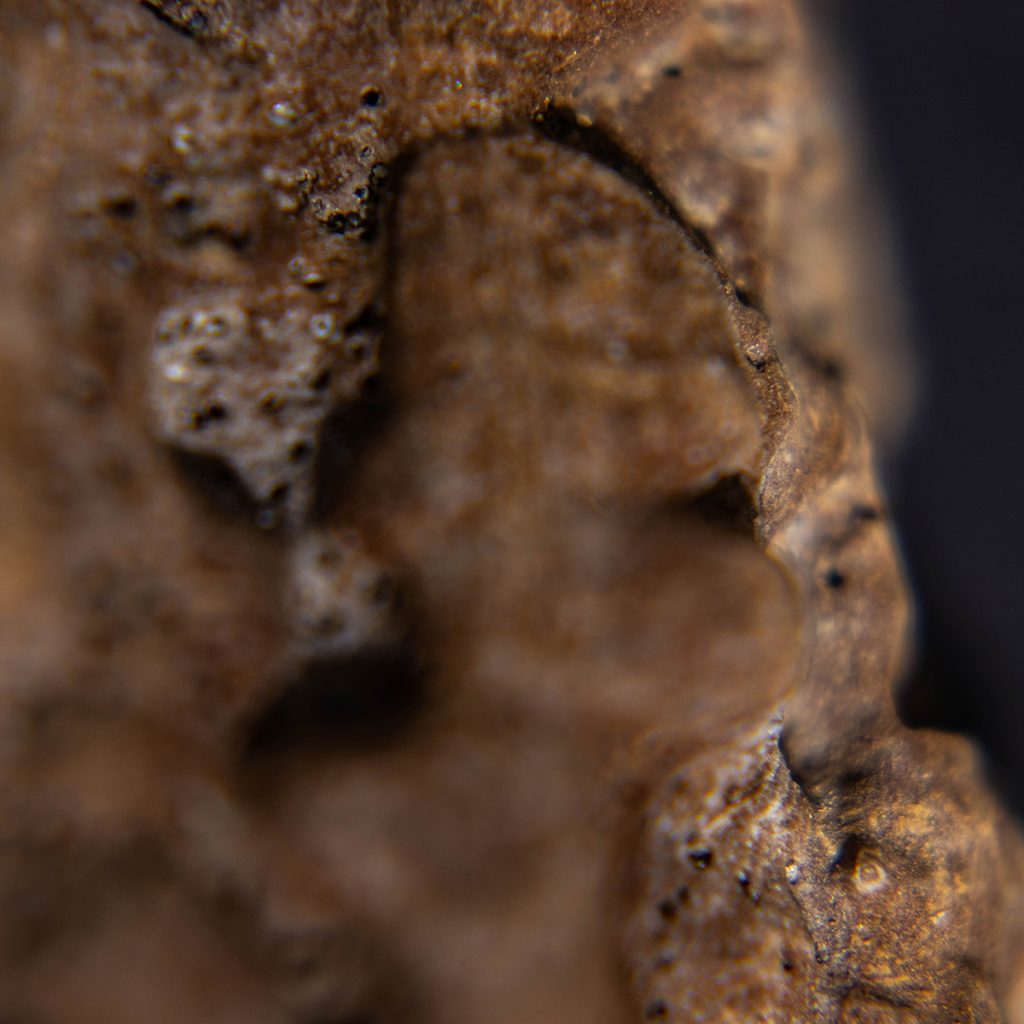
A curved depression embedded within dense, resin-like terrain, bearing the distinct impression of a form no longer present. The surrounding material has hardened around the mark without distortion, suggesting the imprint was made prior to final solidification. Fine pitting and subtle textural variation trace the boundary, as though the surface recorded not just shape, but presence. Whether biological or geological in origin remains unclear—the land offers no distinction.

A narrow, sharply defined separation cutting through layered terrain, exposing thin bands of compacted material beneath a darker surface. Unlike the surrounding formations, the division here is precise, with minimal rounding or collapse along its edges. The layers suggest slow accumulation, yet the break itself appears sudden—an interruption rather than a continuation. The gap remains open, as though the forces that created it have not fully settled.

A raised boundary where light breaks abruptly across the surface, casting one side into sustained shadow. The ridge itself is sharply defined, with fine linear textures running parallel along its face, suggesting directional formation under pressure. The contrast between illuminated and obscured terrain is unusually stable, as though the structure influences light rather than merely receiving it. Passage along the ridge would offer visibility in only one direction.
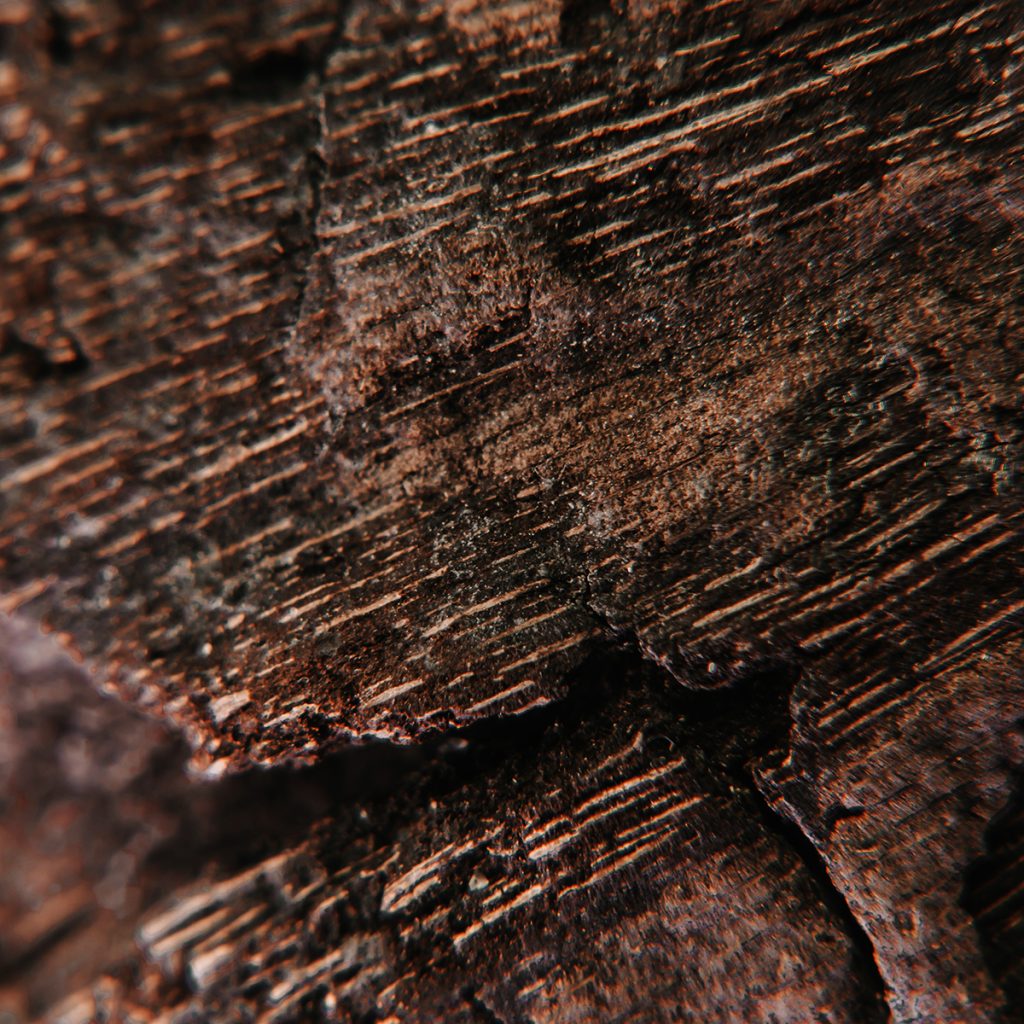
Intersecting fractures divide the surface into rigid planes, their edges meeting at sharp, unstable angles. Fine linear textures run across each section but shift direction at the boundaries, suggesting separate formations forced into contact. The central junction appears compressed rather than collapsed, as though opposing pressures met and held. The terrain does not read as broken, but as interrupted.
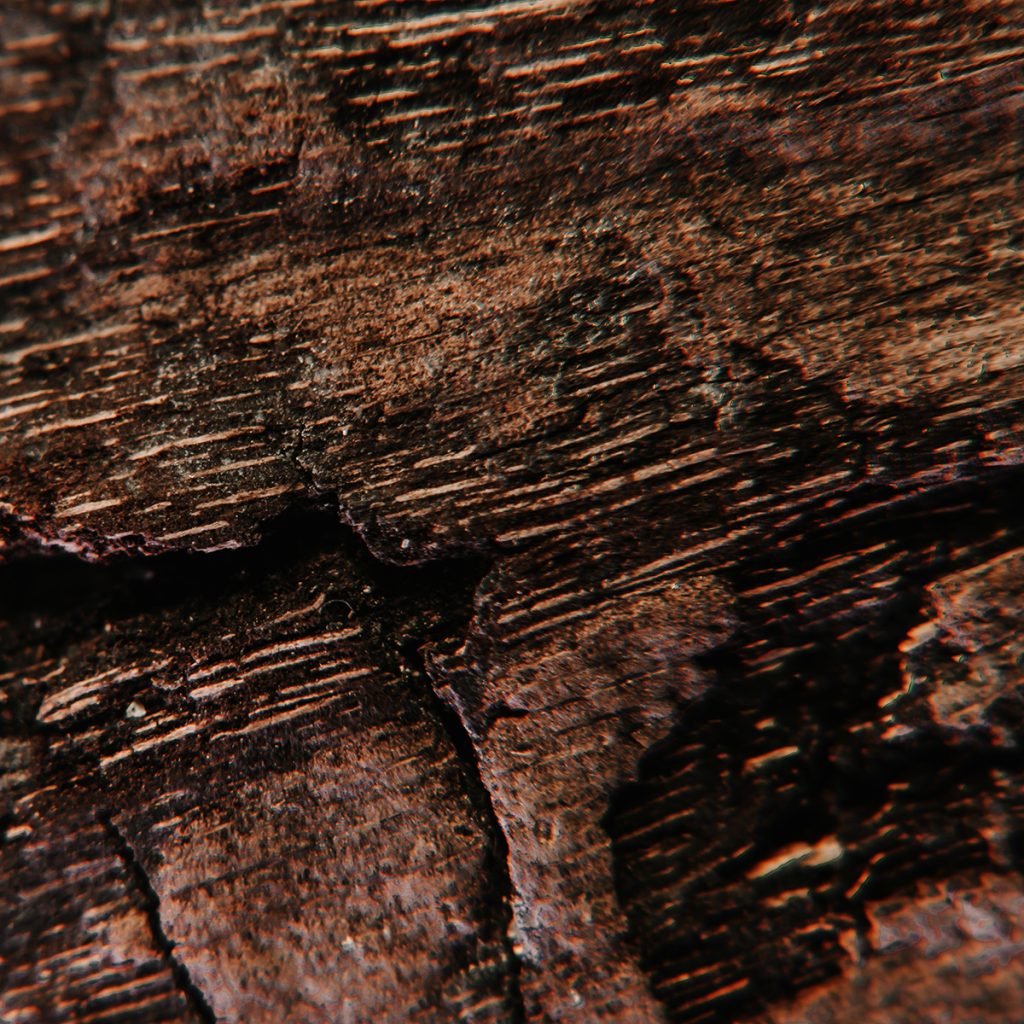
A fractured expanse where the surface has separated along fine, parallel lines, producing elongated segments rather than clean breaks. The divisions follow the underlying grain of the material, suggesting structural weakness exploited under sustained stress. Edges are uneven and layered, with no single dominant fracture line, giving the terrain a stretched, splintered appearance. The land here did not crack—it pulled apart.

A broad, elevated surface marked by dense, linear textures running in consistent direction across the terrain. The material appears compacted and stable, with minimal fracturing despite visible layering. Subtle variations in tone suggest slow formation under sustained pressure rather than abrupt change. The landscape lacks sharp disruption, giving it a settled, enduring presence—formed not by event, but by accumulation.

A narrow chasm formed where layered material has separated along its natural grain, creating a deep, linear void between rigid planes. The edges are uneven and splintered rather than cleanly fractured, suggesting gradual stress rather than sudden rupture. Interior surfaces appear smoother, as though shielded from external forces. The divide is stable, but not resolved—held open by the structure itself.
THE BORE BASIN
A region marked by deep, cylindrical penetrations.
The openings are too regular to be natural. Their edges are clean, descending into depths that resist scanning.
There is no debris.
Whatever was removed… is gone.
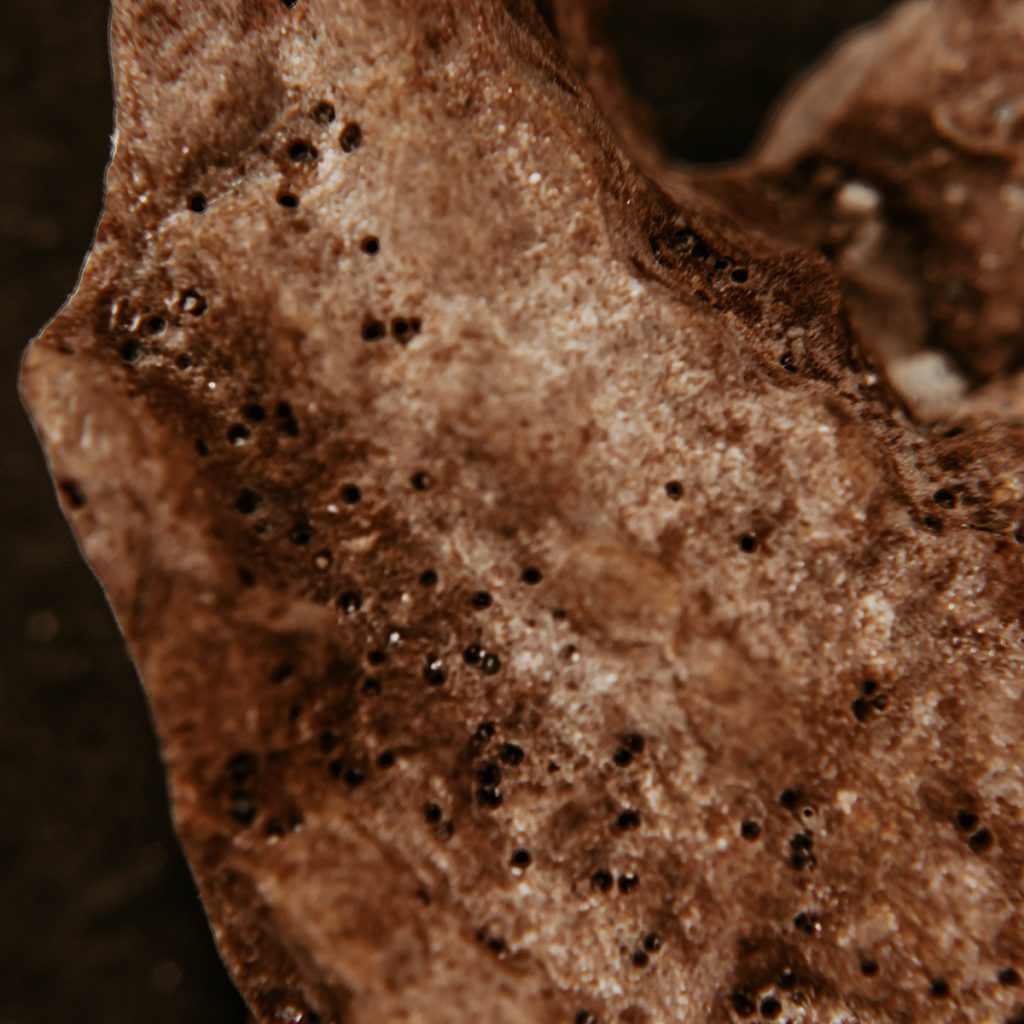
A transitional boundary where densely pitted terrain meets a more cohesive surface, forming an irregular shoreline around clustered depressions. The openings are tightly grouped and vary in size, suggesting repeated penetration rather than singular impact. Edges remain intact, with minimal collapse, as though the material yielded briefly and then sealed around each void. The boundary is uneven, but persistent—marking the edge of a region shaped from within.
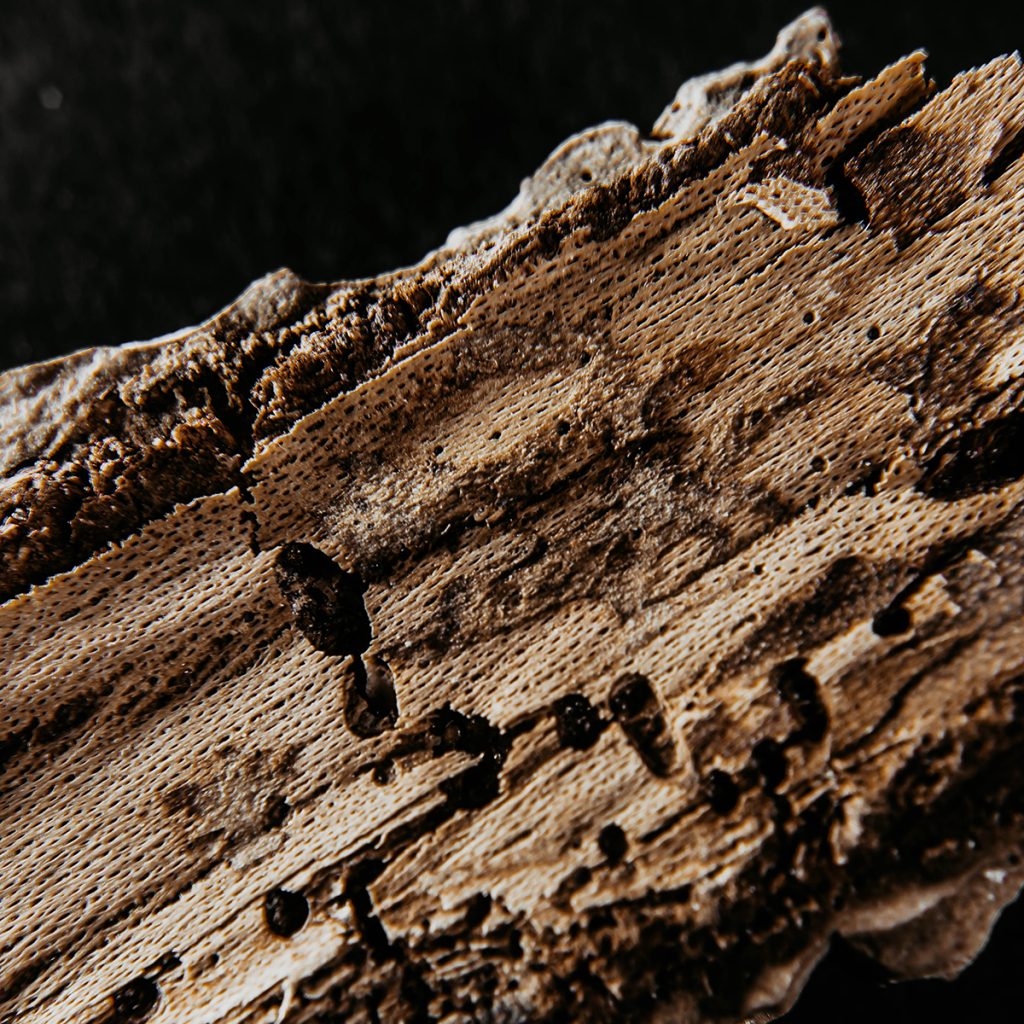
A raised boundary of densely patterned terrain, where fine, uniform perforations extend across a stable surface before giving way to irregular intrusions along the edge. The underlying structure appears consistent and ordered, suggesting slow formation, while the scattered openings interrupt this pattern without fully disrupting it. The edge is uneven but resistant, marking a transition where the surface has been tested repeatedly, yet largely holds.
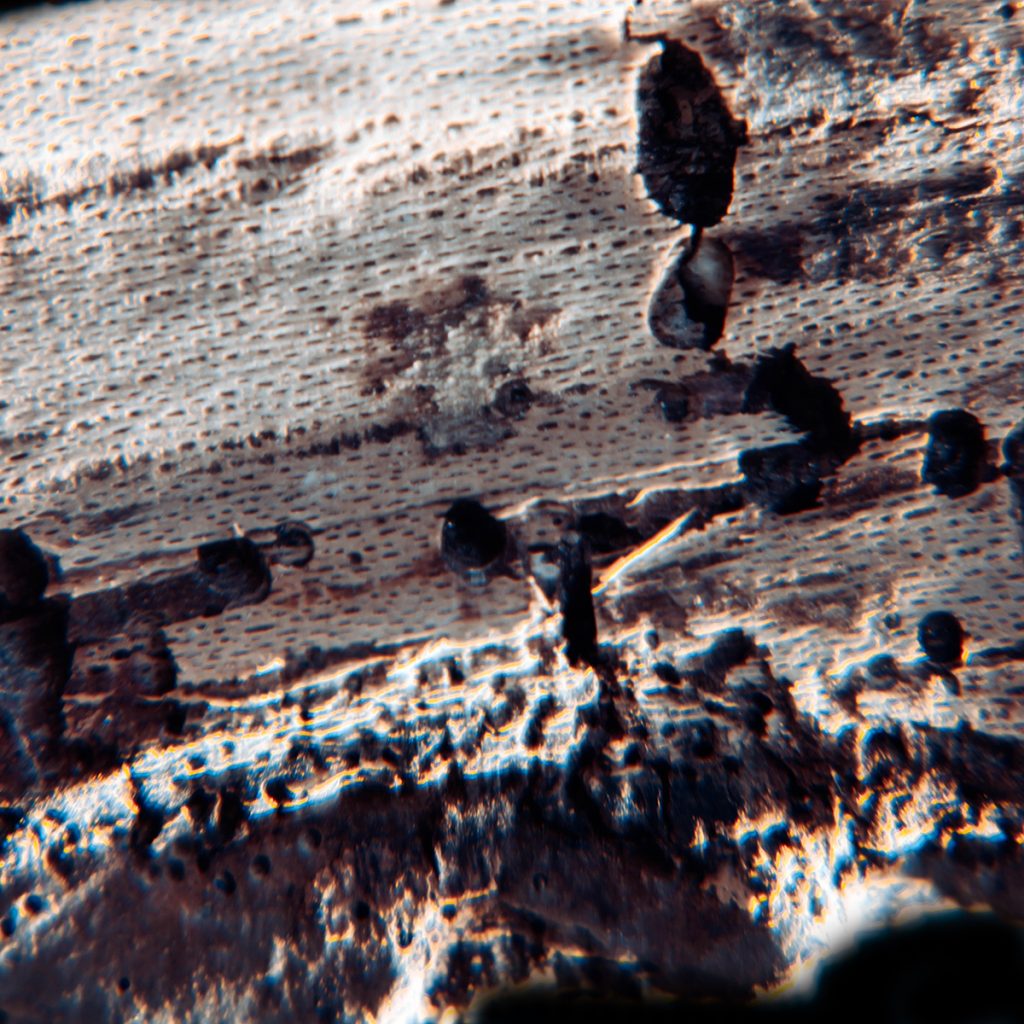
A fractured rise where a once-uniform surface has been disrupted by irregular penetrations and partial collapse along its face. The upper layer retains its fine, ordered pattern, while the lower boundary shows distortion and breakage, suggesting structural failure under repeated intrusion. Several openings extend vertically, linking surface perforations to deeper voids. The escarpment does not erode—it gives way in sections.
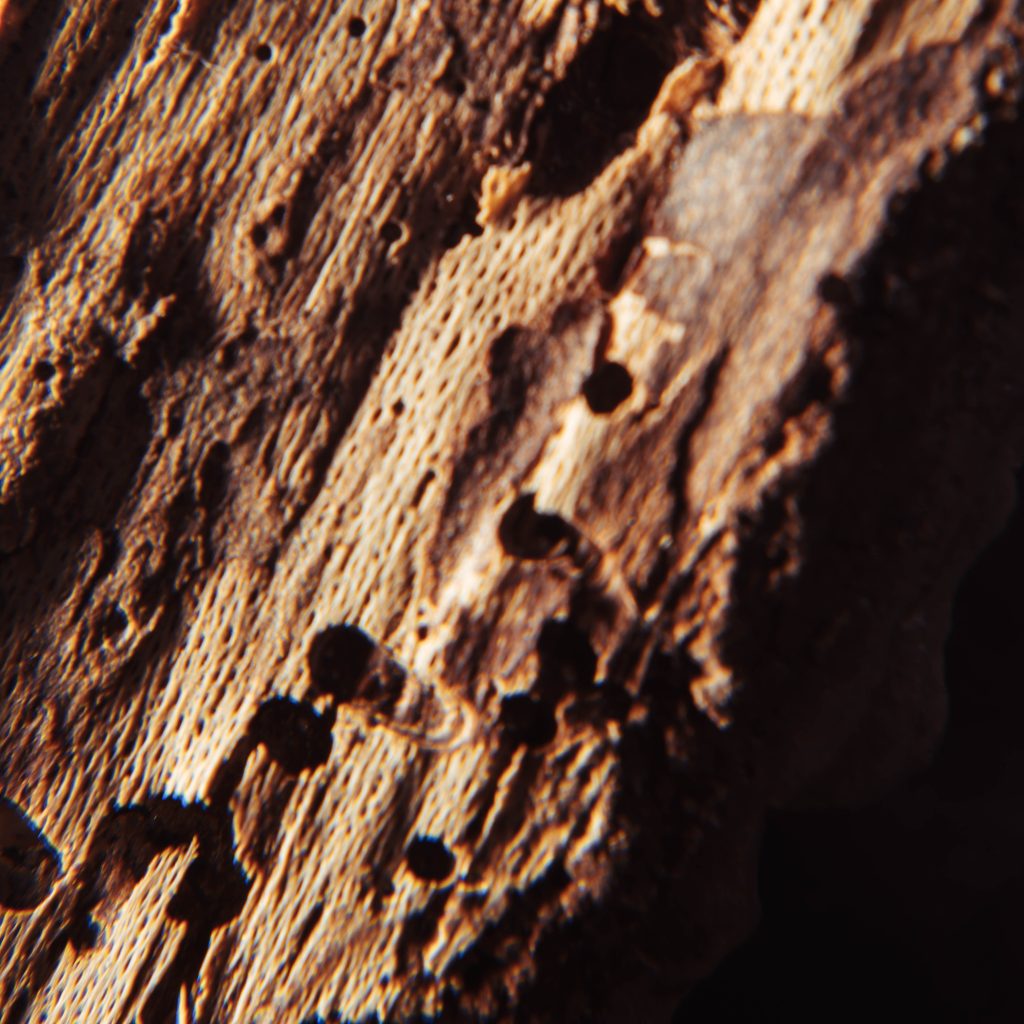
A heavily perforated expanse where circular depressions cluster across a textured, layered surface. The openings vary in depth and spacing, suggesting repeated impacts or penetrations over time rather than a single event. The surrounding material remains largely intact, with minimal cracking between sites, indicating localized disruption without widespread failure. The terrain reads as continually marked, each impression distinct and unresolved.
THE DUNE HOLLOWS
Rolling formations resembling drifted terrain.
The surface appears shaped rather than broken—curved, layered, and subtly repetitive.
Beneath, hollow spaces create instability across the region.
The ground shifts under minimal disturbance.
There is no visible force driving this.
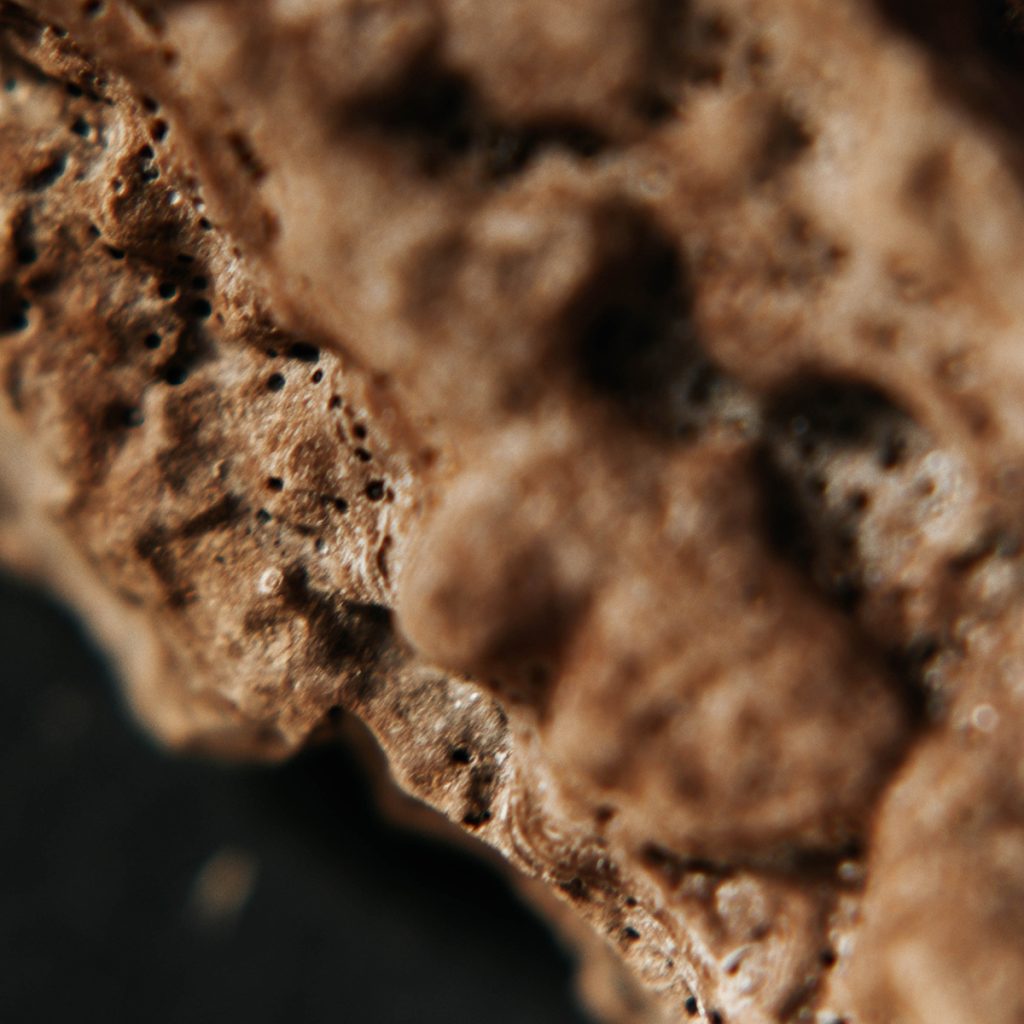
Layered formations rise and fall in gentle, rounded contours, their surfaces densely pitted with small, irregular voids. The material appears to have accumulated in waves, each layer settling over the last without sharp disruption. The depressions are shallow but numerous, giving the terrain a porous, almost breathable quality. Nothing here suggests impact or fracture—the landscape feels formed by slow drift and quiet compression, as though shaped by forces no longer present.
THE PITTED BASIN
A field of irregular depressions scattered across the surface.
Some are shallow. Others descend sharply.
Their distribution appears random—until mapped at scale.
Then the spacing becomes consistent.
No formation process has been identified.
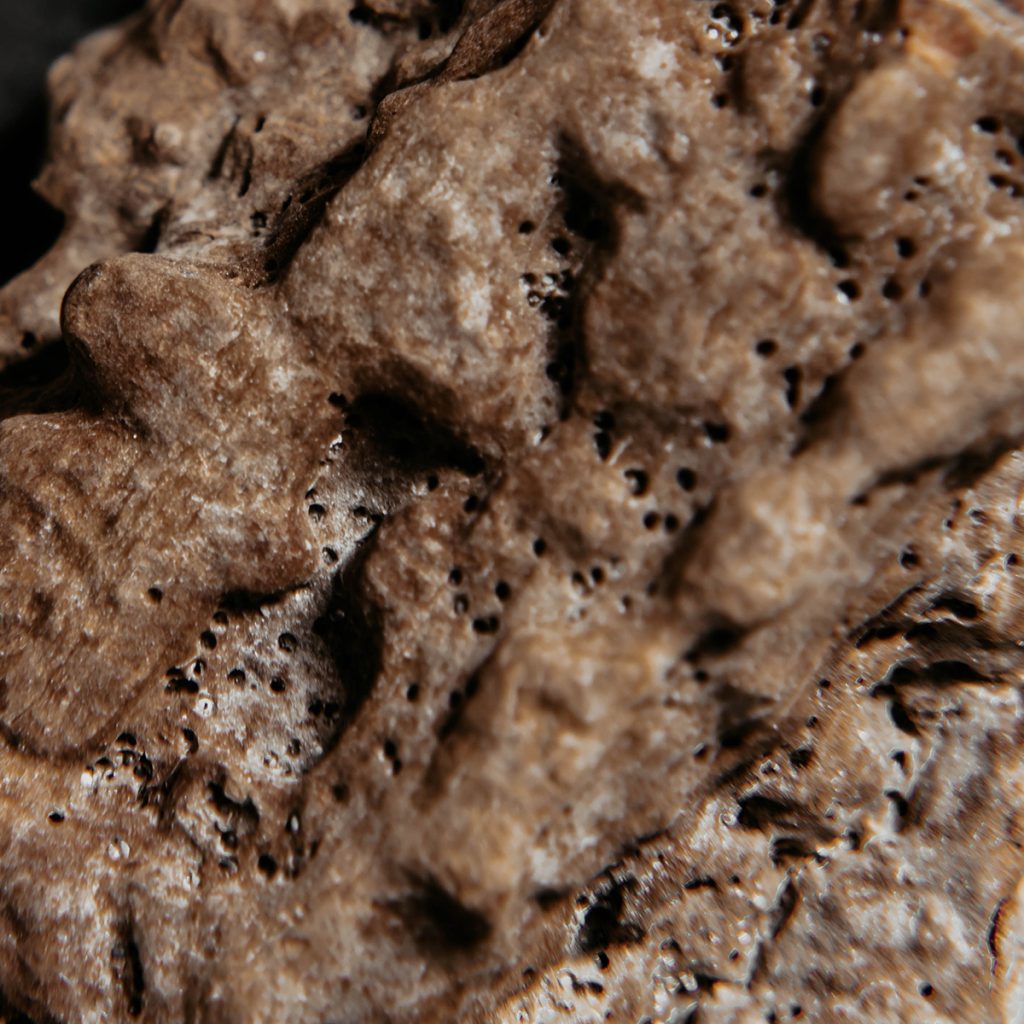
An uneven rise of rounded formations interrupted by dense clusters of small depressions, giving the terrain a fragmented, unsettled appearance. The surface lacks clear layering, instead forming in irregular masses that appear to have lifted and collapsed in place. Pitting is widespread and inconsistent, with no clear pattern or boundary. The highlands feel unstable—not actively shifting, but never fully resolved.
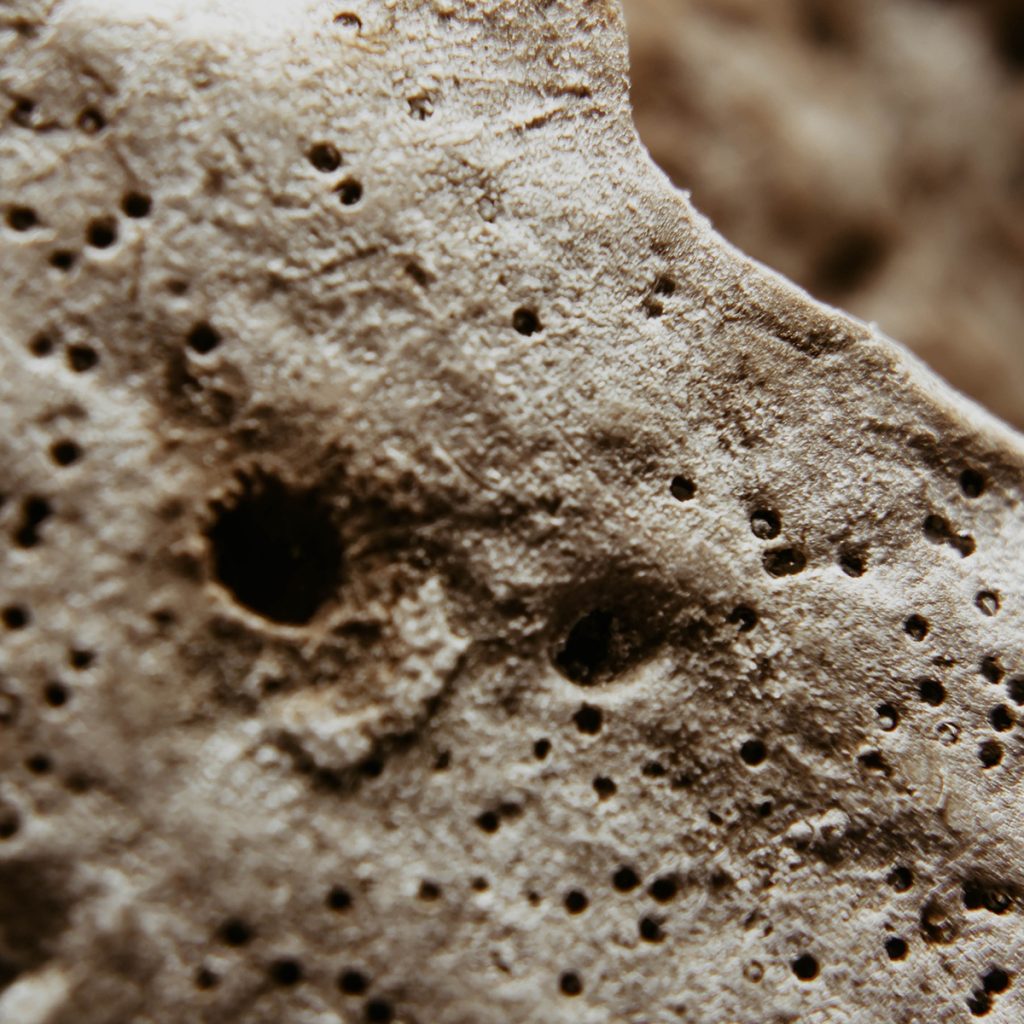
An uneven rise of rounded formations interrupted by dense clusters of small depressions, giving the terrain a fragmented, unsettled appearance. The surface lacks clear layering, instead forming in irregular masses that appear to have lifted and collapsed in place. Pitting is widespread and inconsistent, with no clear pattern or boundary. The highlands feel unstable—not actively shifting, but never fully resolved.
THE ROOTBREAK TERRITORY
A violently disrupted region of torn, fibrous structures.
The material here appears pulled apart rather than fractured. Long strands stretch between broken masses, suggesting tension rather than impact.
The damage is directional.
Something forced its way through.
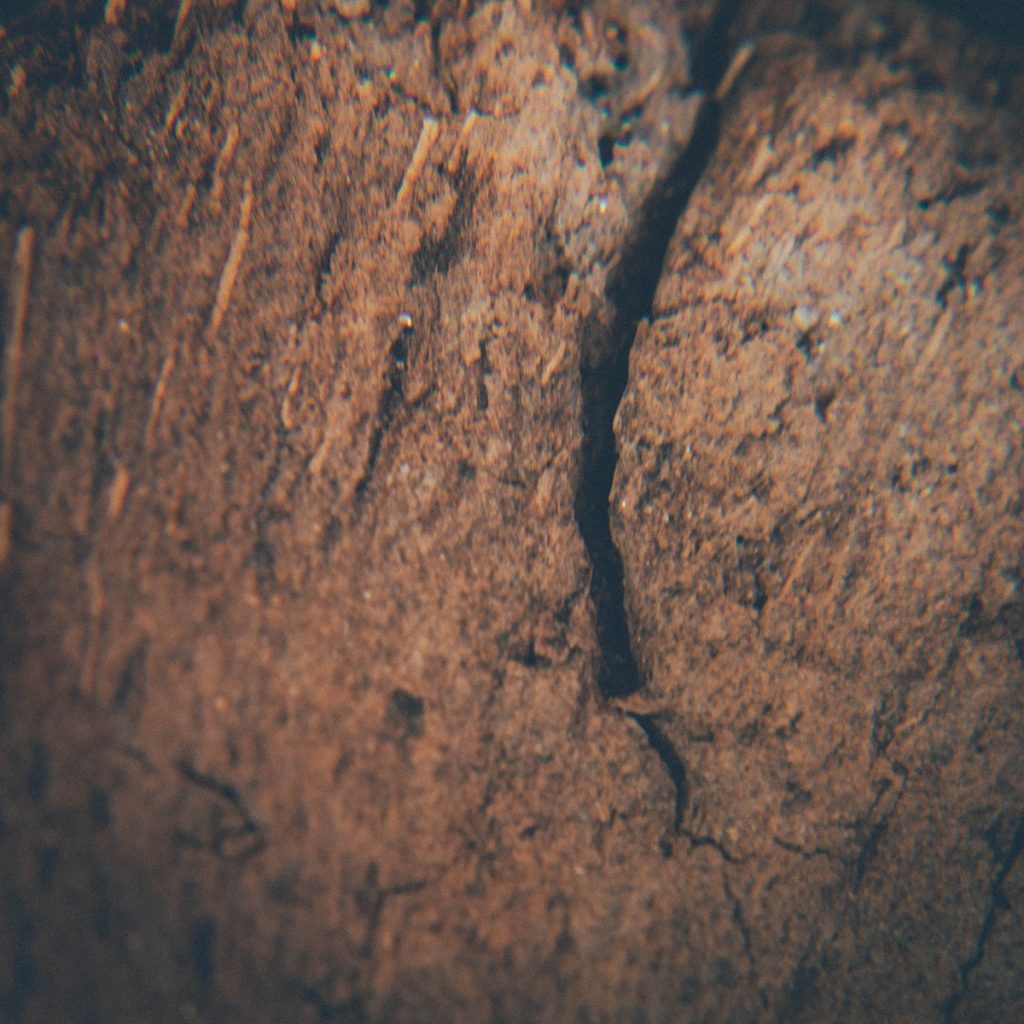
A deep, narrow fracture cutting through compacted terrain, its edges rough and uneven, suggesting force applied from within rather than external impact. The surrounding surface remains largely intact, with only minor secondary cracking, indicating a localized rupture. The divide is not wide, but it is decisive—a clean interruption in an otherwise continuous field. Whatever forced this opening did not linger.
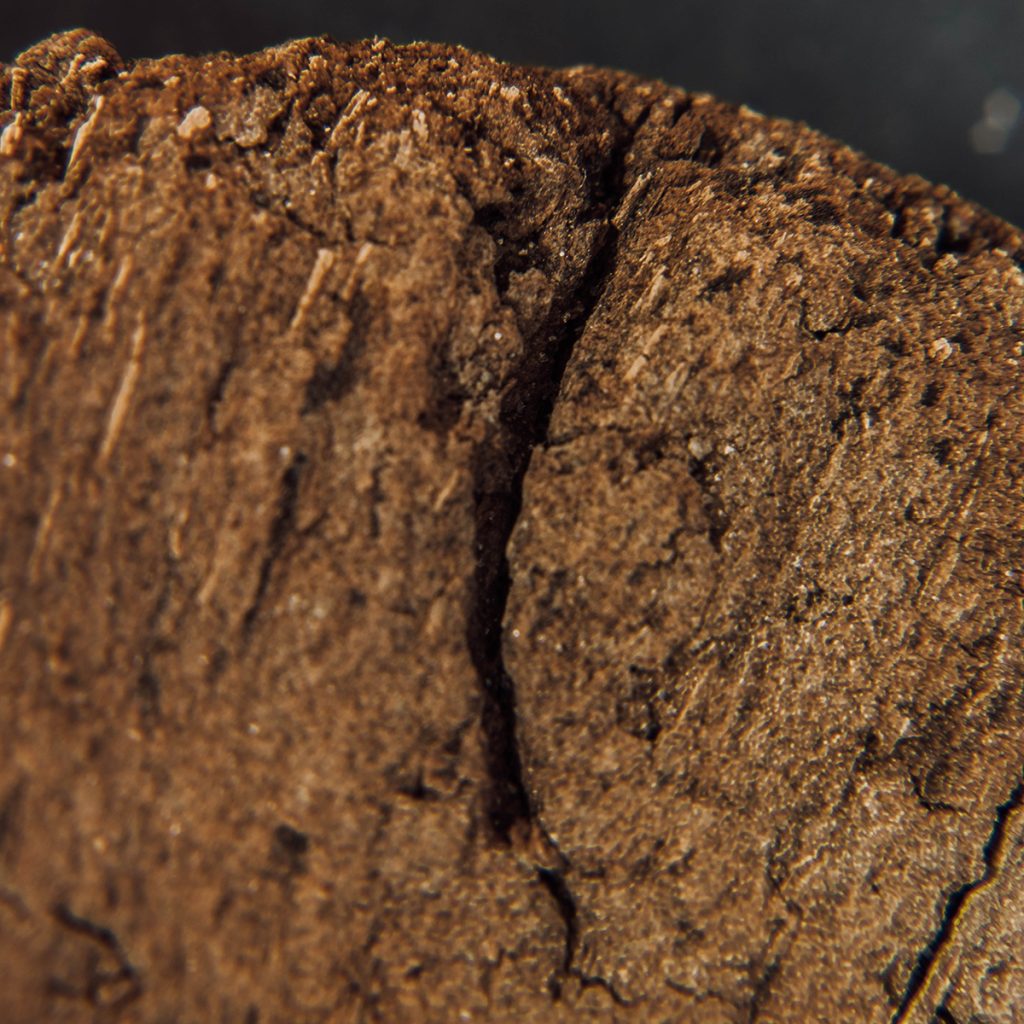
A secondary fracture running parallel to the initial rupture, less defined but equally persistent. The edges are more irregular, with signs of gradual separation rather than sudden force, suggesting the material continued to yield after the primary event. Fine surface cracking radiates outward, indicating stress dispersal across the surrounding terrain. This divide did not begin the break—but it ensured it would continue.

A darkened protrusion rising along the fracture line, its surface rough and densely textured compared to the surrounding terrain. The formation appears to have emerged from within the divide, rather than being exposed by it, suggesting upward pressure or extrusion. Its boundary is irregular but distinct, with no gradual transition into the adjacent material. The spur does not follow the rift—it interrupts it.
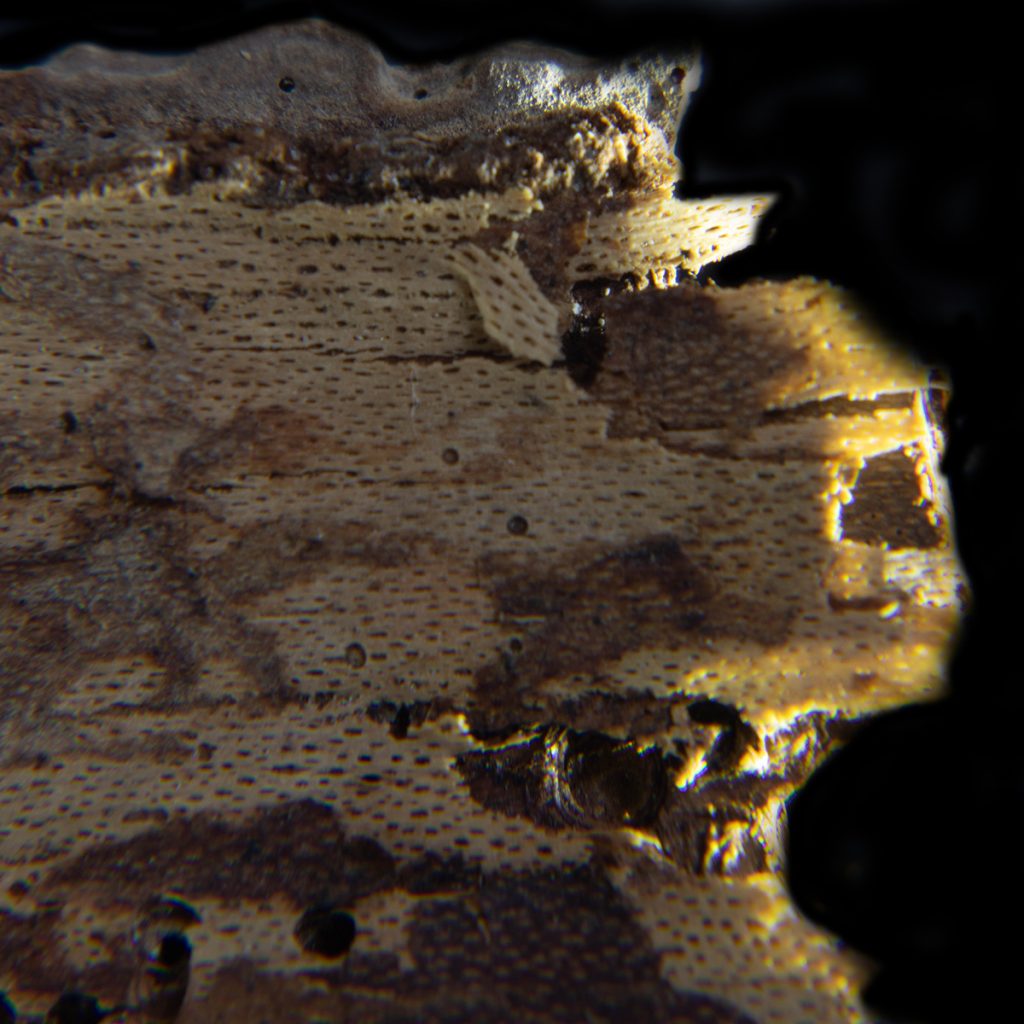
A layered formation extending across a fractured boundary, appearing to bridge the divide before breaking apart into uneven segments. The material shows a consistent internal pattern, suggesting it formed as a continuous structure prior to separation. Edges are jagged but not freshly torn, indicating gradual failure rather than sudden collapse. The causeway remains partially intact, but no longer connects what it once did.
THE SAPSTONE LOWLANDS
A dense, compact region of hardened material.
Internal composition is inconsistent.
This region may not be entirely solid.
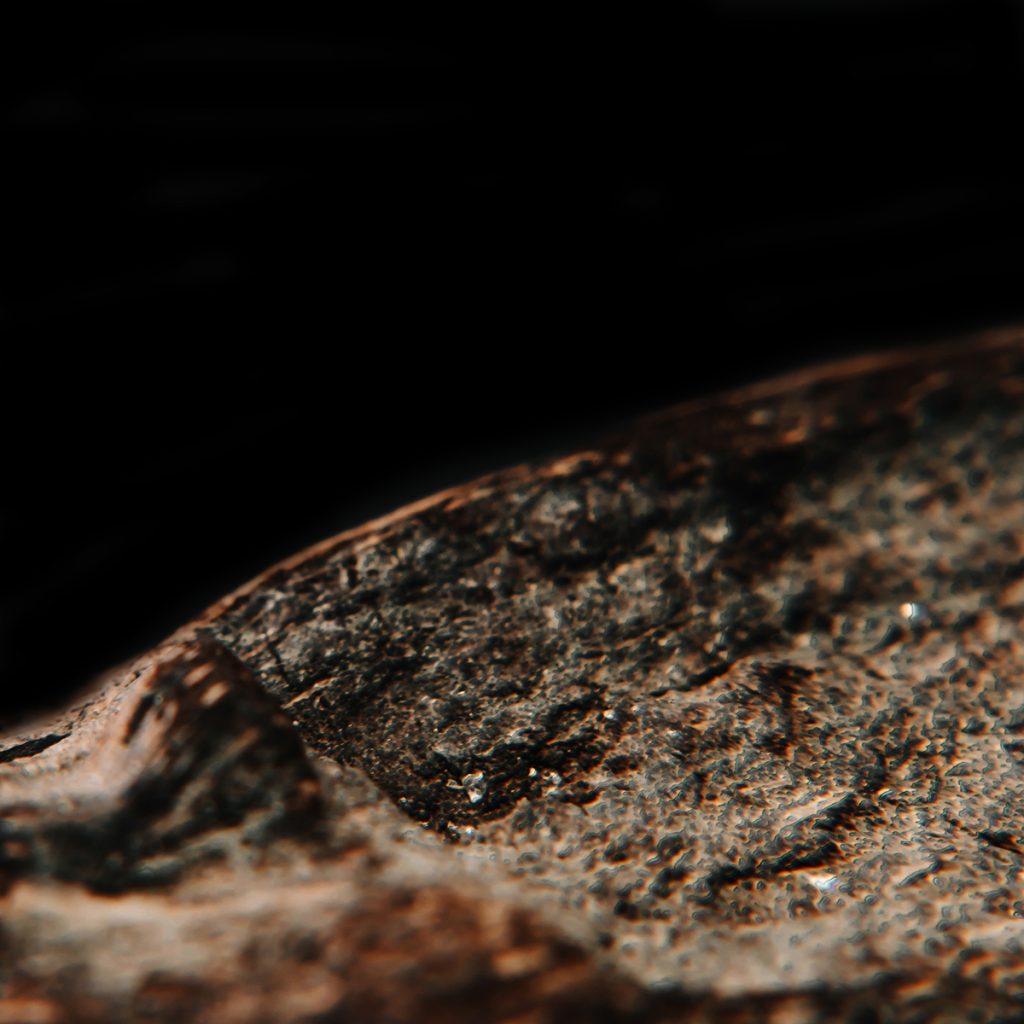
A low, undulating rise of compacted material marked by fine, granular texture and shallow depressions across its surface. The terrain appears smoothed rather than fractured, with gentle contours suggesting long-term settling or erosion rather than abrupt formation. Darkened patches interrupt the uniformity, hinting at slow chemical or organic change within the material itself. Nothing here resists—the landscape yields, reshaping over time into a quiet, enduring form.
THE SPLINTER WASTES
An expanse of jagged, blade-like formations.
The terrain appears frozen mid-disruption—sharp, chaotic, and difficult to traverse. Despite the apparent randomness, large-scale alignment persists.
The pattern is not immediately visible.
But it is there.
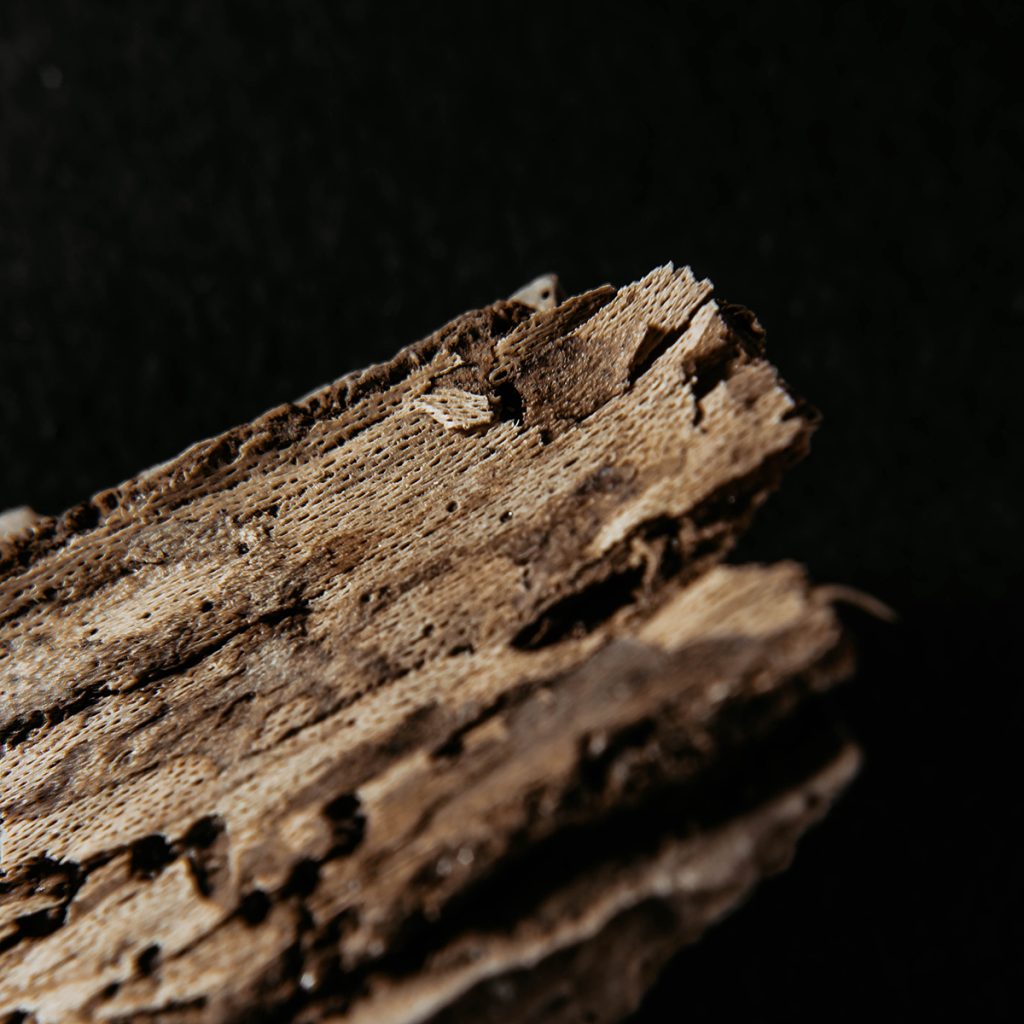
A layered outcrop rising sharply above surrounding terrain, its edges fractured into thin, splintered planes that reveal a dense internal structure. The material appears brittle and desiccated, breaking along fine lines rather than collapsing in mass. Horizontal banding suggests long accumulation, later exposed through gradual erosion or separation. The shelf remains intact, but only just—its stability defined by how little force it can still withstand.
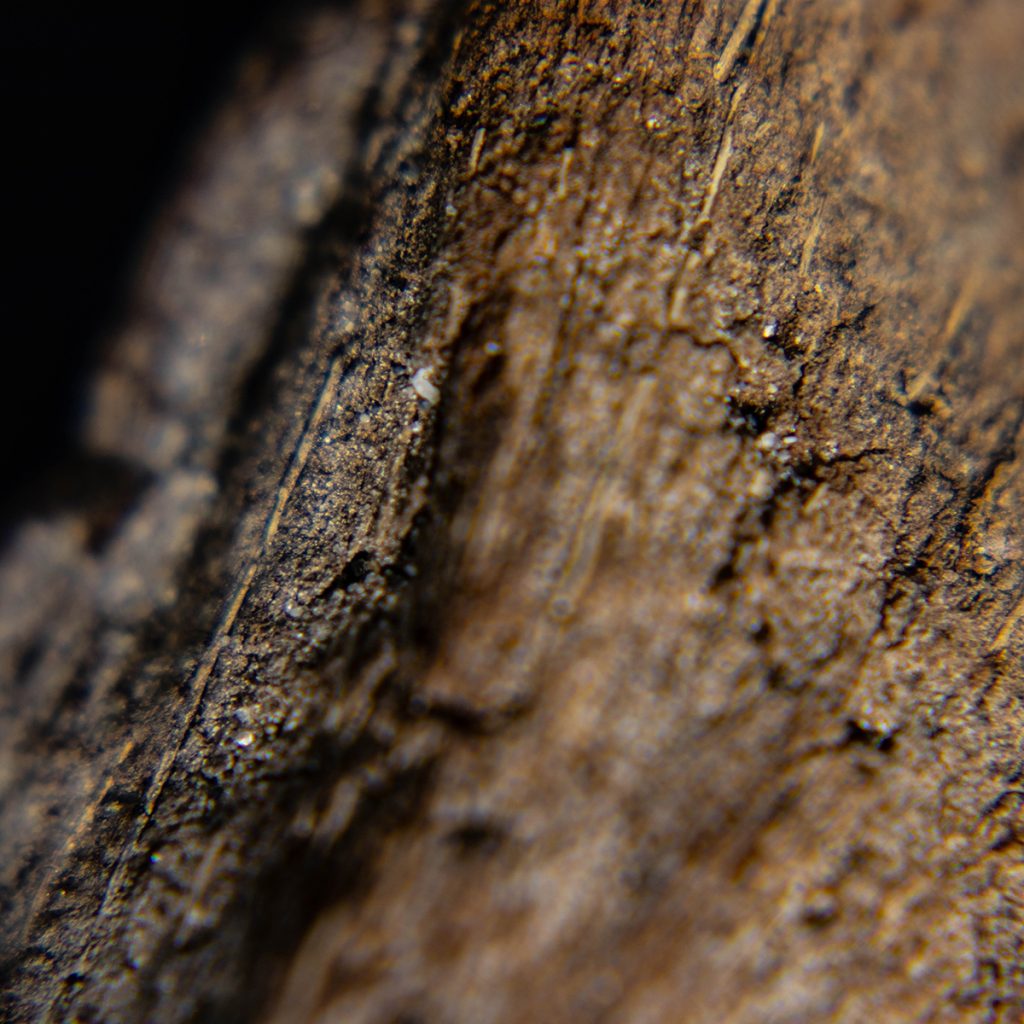
A narrow, elevated ridge of loosely compacted material, rising along a faint structural line within the surrounding terrain. Its surface is granular and uneven, with fine debris clinging to its edges rather than breaking away cleanly. The formation suggests slow accumulation along a boundary, building upward through repetition rather than force. The spine appears delicate, but persists—held together by just enough cohesion to remain.

A thin, layered formation shaped along its surface by persistent directional forces, producing shallow grooves and uneven ridges across an otherwise continuous plane. The material appears to have worn away gradually, exposing delicate strata that fracture along fine lines. Edges are irregular but softened, suggesting long-term abrasion rather than sudden breakage. The shelf holds its shape, but only as a record of what has been taken from it.

A dense, elongated ridge running through the surrounding fractured terrain, marked by tightly compressed grain and subtle linear striations. The material appears more cohesive than adjacent formations, resisting the splintering seen elsewhere in the region. Surface irregularities are shallow and worn, suggesting long-term exposure rather than recent disruption. The spine does not rise sharply, but persists—an underlying structure that endures while the landscape around it breaks apart.

A long, horizontal separation running through layered material, creating a narrow void between two opposing planes. The edges are worn and slightly curved, suggesting gradual parting rather than abrupt fracture. Internal textures remain aligned across the divide, indicating the structure was once continuous. The rift does not disrupt the form—it reveals it, exposing the space that had been building within.
THE VENT PROVINCES
Clusters of openings scattered across the terrain.
Some emit faint thermal irregularities. Others remain completely inert. All lead into deeper structures that cannot be fully mapped.
The openings are not collapsed.
They are maintained.
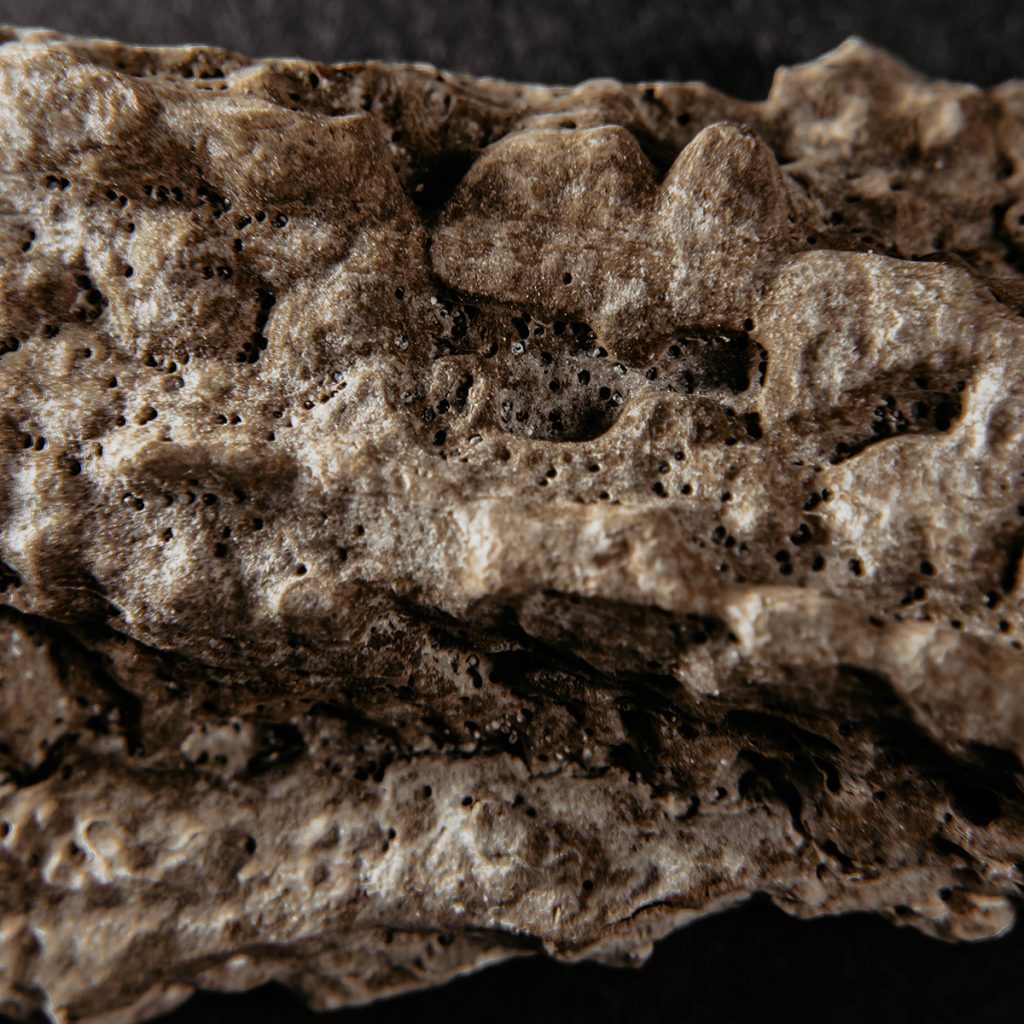
A clustered field of small, rounded openings distributed across a layered surface, each vent shallow but clearly defined. The depressions vary in size and spacing, suggesting repeated release from multiple points rather than a single source. Surrounding material remains intact, with minimal cracking between vents, indicating localized activity that did not destabilize the broader structure. The basin reads as persistently active—marked not by force, but by repetition.
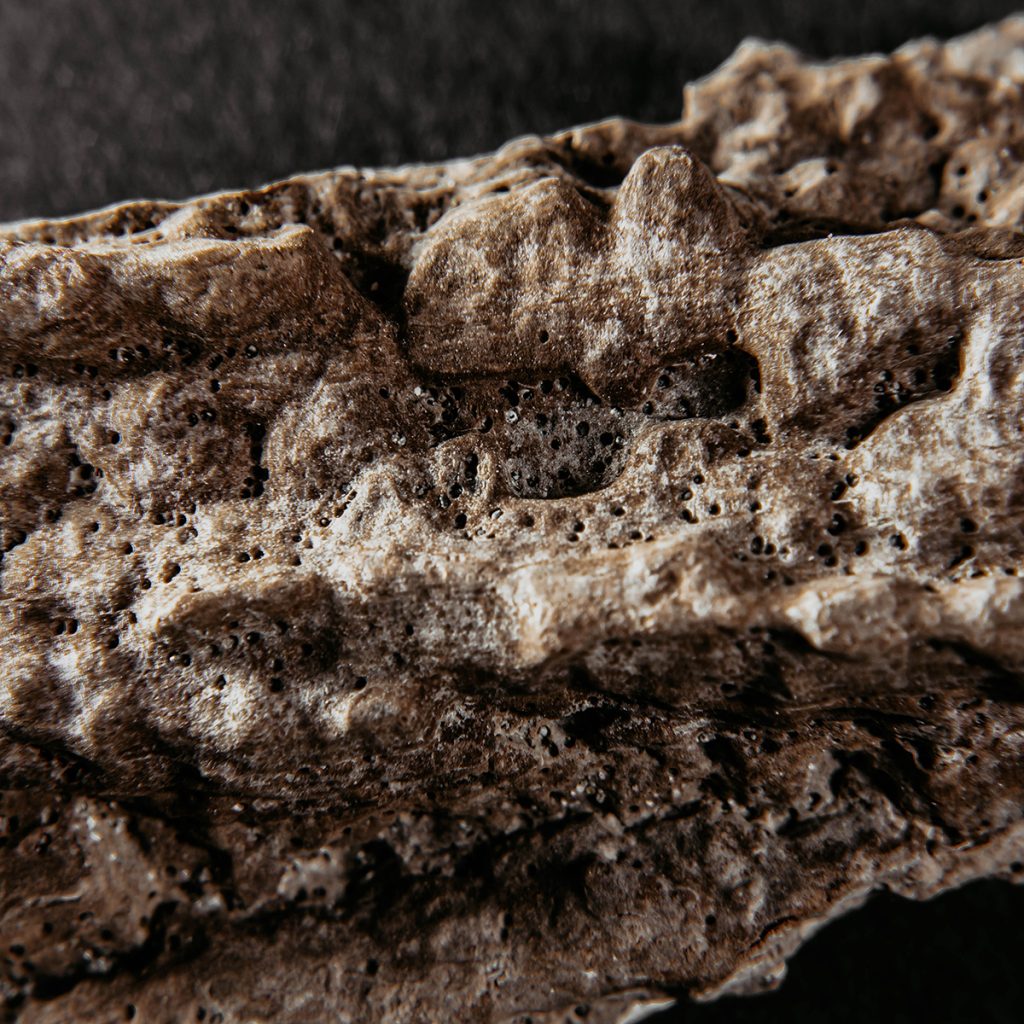
A shallow depression spanning a clustered field of small vents, where the surface appears to have subsided rather than fractured. The surrounding material remains continuous, curving inward toward the center, suggesting gradual loss of internal support. Openings are concentrated along the valley floor, varying in size but sharing a common depth, as if connected beneath the surface. The formation reads as a quiet collapse—structure giving way to absence.
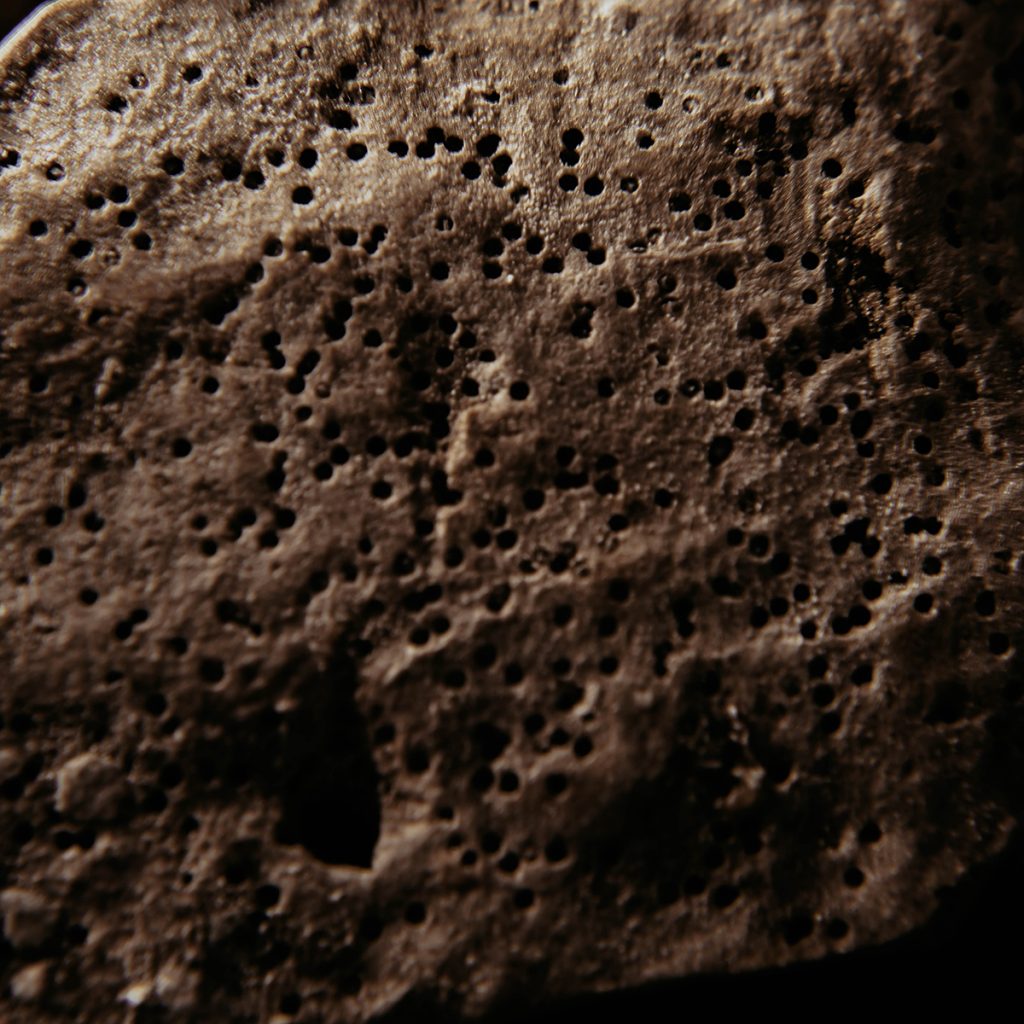
A tightly packed expanse of small, uniform openings covering nearly the entire surface, creating a continuous field of perforation. The vents are closely spaced and consistent in depth, suggesting sustained, widespread release across the region rather than isolated events. The surrounding material remains cohesive, with little structural failure between openings. The terrain does not center around activity—it is activity, distributed evenly across the field.
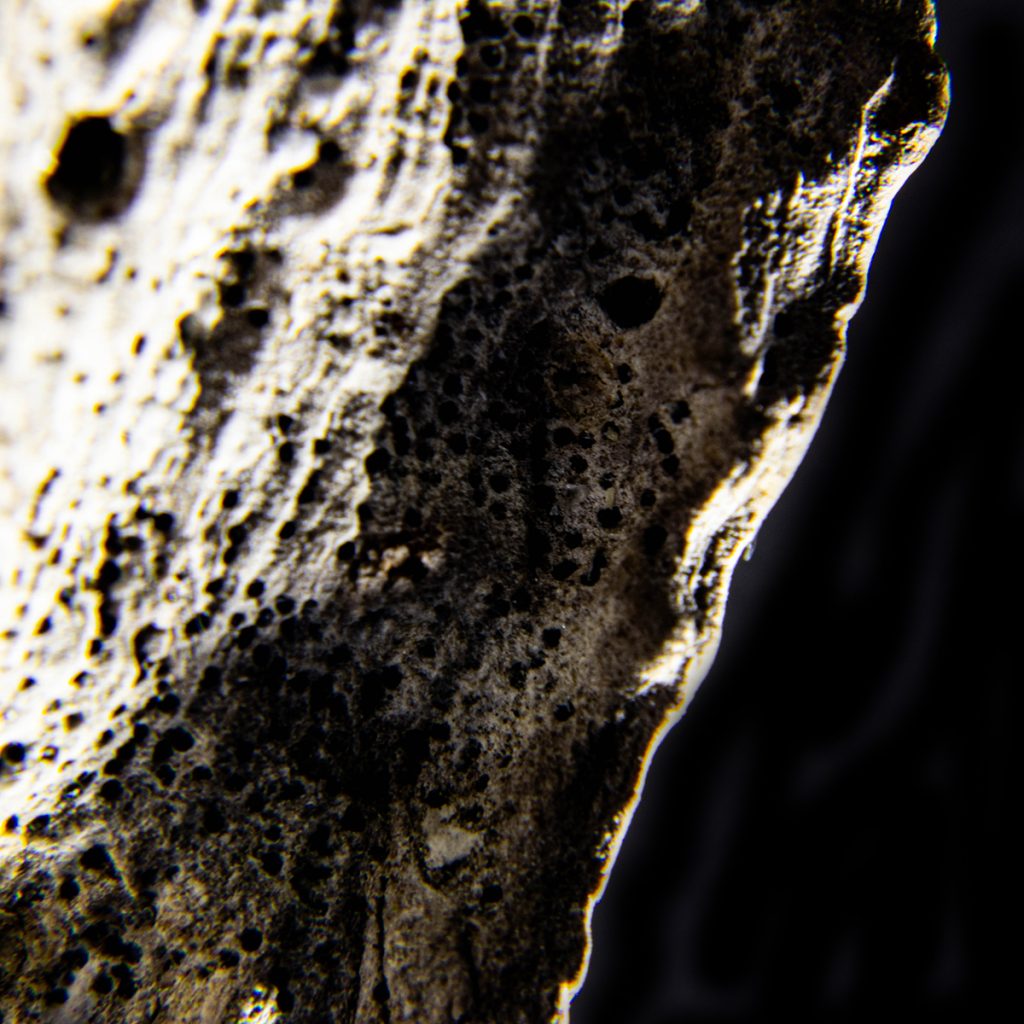
A steep boundary face marked by dense, irregular perforations that increase toward the exposed edge. The surface transitions from relatively intact material into a heavily pitted structure, suggesting progressive erosion or release concentrated along the escarpment. Openings vary in size and depth, with no clear pattern, indicating overlapping phases of activity. The formation reads as a terminal surface—where the interior has been steadily emptied, leaving only a fragile outer wall.
LOG FRAGMENT — UNATTRIBUTED
We keep describing these regions as separate.
They are not.
The patterns don’t stop at the borders.